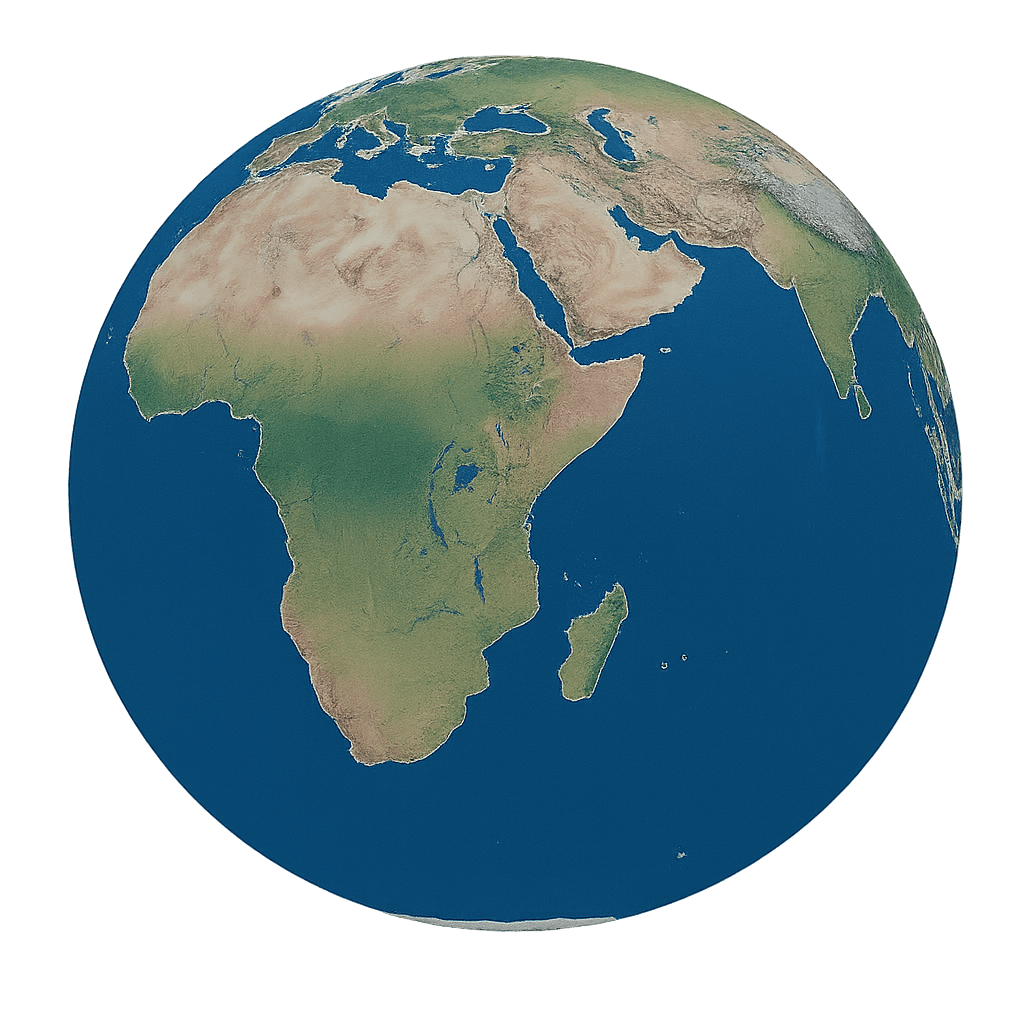

South Africa Announces Temporary Cut to Fuel Levy
Minister of Mineral and Petroleum Resources Gwede Mantashe confirmed Tuesday that the levy will be cut by R3 ($0.16) per liter effective April 1 through May 5 — bringing petrol levies down to R1.10 ($0.06) and diesel to R0.93 ($0.05) per liter.
The one-month relief measure is projected to drain approximately R6 billion ($320 million) from state coffers in foregone revenue and will be subject to review, officials said — framing the intervention as a careful balancing act between cushioning consumers and preserving fiscal discipline.
Fuel Stations Run Dry as Prices Spike
The announcement comes as fuel shortages bite in parts of the country. By Tuesday evening, multiple filling stations in eastern Johannesburg were reportedly turning away motorists after exhausting stocks of both petrol and diesel — a visible sign of the strain gripping Africa's most industrialized economy.
Diesel prices have surged by as much as R7.51 ($0.44) per liter, while petrol climbed R3.06 ($0.18), sending shockwaves through transport networks and food supply chains alike. South Africa, which depends heavily on imported crude oil and refined fuels, has been acutely exposed to the global price shock.
Despite the alarming scenes at forecourts, officials moved to calm nerves, insisting there is "sufficient fuel supply in the country to meet current and projected demand" — urging motorists and businesses to refrain from panic buying and "unnecessary stockpiling."
Iran Conflict and the Strait of Hormuz
The price spiral traces directly to the outbreak of US and Israeli airstrikes on Iran on February 28, which have pushed Brent crude above $100 per barrel and stoked fears over supply disruptions through one of the world's most critical maritime chokepoints.
Minister Mantashe noted that the average Brent crude price had rocketed from $69.08 to $93.67 per barrel due to the ongoing hostilities, which "has affected crude oil supply, especially through the Strait of Hormuz." South Africa's Central Energy Fund had already warned the country was facing "historically high fuel price increases from April."
The levy cut follows a direct directive from President Cyril Ramaphosa to urgently address the escalating cost of petrol and diesel at the pump.
A Regional Crisis With No Easy Answers
South Africa is not alone in scrambling for solutions. In March, both Kenya and Ghana introduced emergency measures to contain the fallout from soaring fuel costs. Nairobi deployed a state-backed stabilization mechanism that kept pump prices flat, while Accra was less fortunate — petrol prices surged 16.9% and diesel 17.2% despite government intervention, highlighting the limited firepower available to emerging-market economies facing a prolonged oil shock.
With the May 5 deadline fast approaching and no resolution in sight in the Middle East, Pretoria faces a critical decision on whether to extend the subsidy — and at what cost to an already strained national budget.
Legal Disclaimer:
EIN Presswire provides this news content "as is" without warranty of any kind. We do not accept any responsibility or liability for the accuracy, content, images, videos, licenses, completeness, legality, or reliability of the information contained in this article. If you have any complaints or copyright issues related to this article, kindly contact the author above.
